


 Log in to your portal
When you're choosing PPE, it's easy to focus on the obvious: protection levels, compliance, price and availability. Those things all matter, of course. But there's another factor that often decides whether PPE ends up genuinely being used, or just looking good on paper.
Will your people actually want to wear it?
On a construction site, in a recycling facility, or out working with waste and materials, PPE has to hold up in the real world. It needs to be comfortable enough to wear for a full shift, practical enough that it doesn't get in the way, and tough enough to cope with the environment.
Above all, the people wearing it need to trust it. That's why bringing your workforce into the PPE selection process can make such a difference to safety.
What is workforce take-up?
We use the term workforce take-up to describe how willing and ready people are to use the PPE they're given, and use it correctly and consistently.
Handing out PPE is one thing. Getting people to wear it properly, every single day, is another challenge entirely. If a piece of equipment is uncomfortable, restricts movement, doesn't fit right, or simply isn't trusted by the person wearing it, they may end up removing it, altering or worse still - using it the wrong way.
That's an obvious safety problem. It also tends to create costs you didn't plan for: equipment gets replaced because it wasn't right in the first place, complaints pile up, and managers end up spending time on PPE problems instead of more productive work.
In construction and busy recycling environments, where workers face moving vehicles and machinery, sharp materials, dust, noise, impact risks, slips and trips, and plenty of other hazards, getting PPE right really matters.
What makes people more likely to use PPE?
Workforce take-up isn't just about telling people to put their PPE on. A number of things influence whether workers actually accept and stick with the equipment they're given.
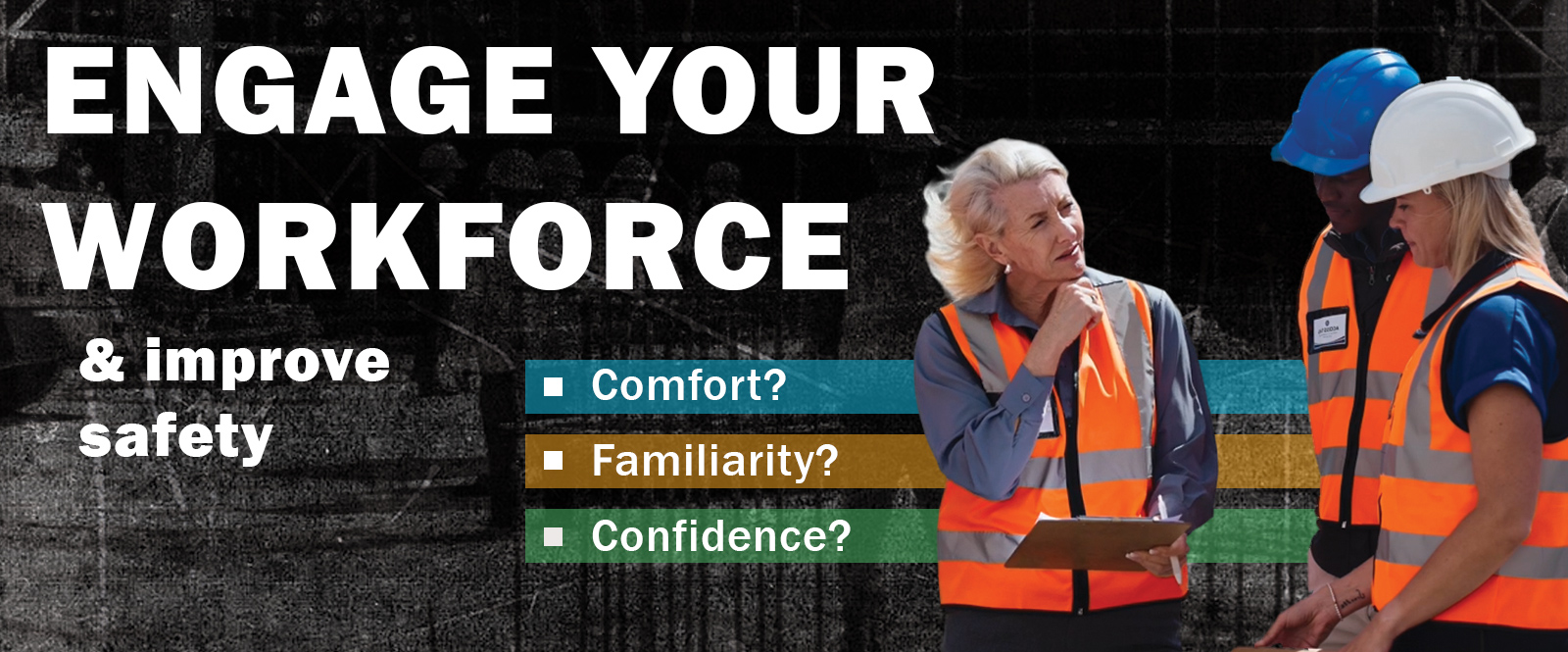
Comfort
This is probably the biggest factor of all. If safety footwear rubs, gloves make simple tasks harder than they need to be, or protective clothing feels restrictive, workers just aren't going to want to wear it for a whole shift. That doesn't mean comfort has to come at the expense of protection, the right product should give you both.
Familiarity
People tend to feel more comfortable with products they already recognise and understand. If your team has used a certain type of glove, footwear or protective clothing successfully before, they're often more open to something similar. Introduce something completely unfamiliar without explaining why, and you're likely to run into resistance for no good reason.
Confidence in the protection
Workers need to genuinely believe their PPE will protect them when it counts, especially in environments like construction and recycling where getting protection wrong can have serious consequences. Telling someone a product meets a certain standard often isn't enough; they need to understand what it protects them from and why it was chosen.
Fit and suitability
PPE has to suit both the person and the task. A glove that's brilliant for one job might be completely wrong for another, and the same goes for footwear, eye protection, respiratory protection and workwear generally. The people doing the job every day are usually best placed to spot practical problems with a product.
Give your workforce a voice
One of the simplest ways to improve PPE take-up is to involve the people who'll actually be wearing it. That doesn't mean handing the whole purchasing decision over to the workforce, it means making sure their experience and feedback are genuinely part of the process.
Run workplace trials
Before rolling a new product out across the whole team, it's worth running a trial first. Let workers try out a small selection of suitable products under real working conditions, and ask them things like:
- Is it comfortable through a full shift?
- Does it restrict your movement?
- Can you still do your day-to-day easily?
- Does it fit properly?
- Is it tough enough for what you do?
- Do you feel properly protected?
- Would you wear it every day?
That kind of feedback often uncovers problems you'd never spot from a spec sheet or a catalogue. A glove might tick every technical box, but if workers struggle to handle materials while wearing it, take-up will suffer regardless. The same principle applies to footwear, clothing and any other PPE.
Offer a choice where possible
When several products meet the required level of protection, giving workers some say can make a real difference. Sometimes that's as simple as trialling two or three suitable options and asking the team which one they prefer. When people feel their experience has actually counted for something, they're far more likely to feel ownership over the final choice.
Explain the 'why'
PPE should never just turn up in a locker, or arrive on site with an instruction to wear it. People engage with safety measures far more readily when they understand why they're being asked to. Explain what the hazard is, what the PPE protects against, why that particular product was chosen, and how it should be used and maintained.
This matters especially when you're introducing new equipment or changing an established PPE specification. The goal isn't just compliance, it's helping workers understand the risks they're managing, and the role their PPE plays in controlling them.
The benefits go beyond safety
Good workforce engagement isn't only about cutting down on accidents. When PPE is comfortable, suitable and trusted, it tends to make the working day easier too. Workers spend less time fiddling with uncomfortable equipment, less time swapping out products that aren't working, and less time finding ways around PPE that doesn't suit the job.
For employers, that usually adds up to fewer complaints, less unnecessary replacement, and better value from the PPE budget overall. Most importantly, it helps build a workplace where safety is something people take part in, rather than something that's simply handed down to them.
PPE selection is a people decision
The most expensive PPE isn't necessarily the best PPE. The best product is the one that provides the right protection and actually works for the people who have to wear it. That's why workforce engagement should be part of the PPE selection process from day one.
Talk to your operatives. Run trials. Listen to what they tell you. Give them a say where you can. And make sure they understand why particular products have been chosen.
At PK Safety, we work with businesses across construction, recycling, waste management and other demanding environments to help them find PPE that works in practice, not just on paper. Whether you're reviewing your current PPE, looking at alternatives, or introducing equipment for a new application, we're happy to help you find a solution your workforce will actually use and engage with.
Need help choosing PPE?
PK Safety can help with product selection, advice and workplace trials, so you get the right balance between protection, comfort, practicality and cost.
Call us on 01443 741999Or contact the PK Safety team to discuss your requirements.
