


 Log in to your portal
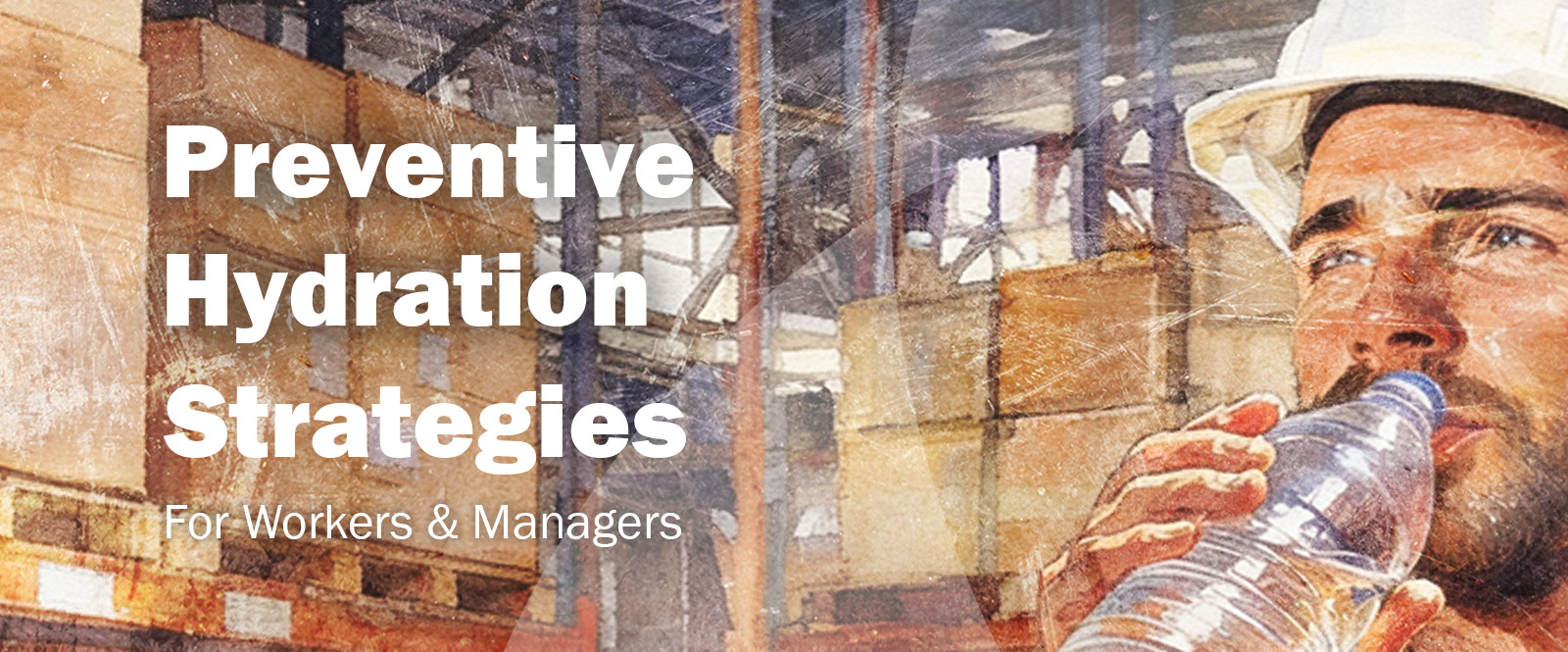
Nobody wants to be told to drink more water. But the reality on site is that most people don't drink enough, not because they don't know they should, but because they're busy and thirst is easy to "tough it out" until it becomes an issue.
Tips for workers
Start before you're thirsty
Thirst is a lag indicator, think about it, by the time you feel it, you're already mildly dehydrated. A glass of water before you start your shift and one during each break is a simple habit that costs very little effort and pays off all day.
Tea and coffee don't really count
They're not as dehydrating as people once thought, and a poor substitute for water, especially in the heat. If you're someone who relies on the brews to get through the day (especially if you take sugar), just try to match each cuppa with a glass of water.
Sugary Drinks
Soft drinks might quench your thirst in the moment, but they're a poor substitute for water when it comes to actual hydration. Most contain caffeine (a mild diuretic) which can increase fluid loss through urine, partially offsetting any hydration benefit. The high sugar content also means your body needs additional water to process and metabolise it, leaving you no better off. Diet versions avoid the sugar but still deliver caffeine and acidic compounds that do nothing to support your body's fluid balance.
When you're sweating heavily, water alone isn't enough
When you're working through a heavy shift in the heat, you aren't just losing water, you're sweating out vital salts called electrolytes (mostly sodium and potassium).
For the first couple of hours, plain water is fine to get you started, but if you've been working hard for hours on a site, chugging plain water can actually flush out what little salt you have left, leading to muscle cramps, brain fog, and heat exhaustion.
After a few hours of heavy sweating, you need to replace salt. Mix an electrolyte powder/tablet into your water, or grab a sports drink (dilute it with water if it’s too sugary).
Keep snacking: Eating a handful of salty pretzels, a handful of nuts, or a pickle during your break helps put those lost minerals back in your system.
Tips for managers
Nobody wants to be the person who has to nag their team about drinking water. Here's the good news: you probably don't have to, if the setup is right.
Put water where people actually stop, and make it easy to find.
A good rule of thumb: no worker should have to walk more than 100 metres to reach a water point. Spread stations across the site accordingly, and make sure they're clearly visible. A bright sign or a dedicated spot people know about beats a bottle tucked behind a pallet any day.
Location is important. Water left in direct sun heats up fast, and warm water on a hot day doesn't get drunk. Keep stations in the shade where possible, or use insulated containers and cool boxes. It's a small thing that makes a noticeable difference to how much actually gets consumed.
Build breaks in, don't leave them to chance
People working to a tight schedule won't stop for water unless they feel they really need to. As mentioned, by this time, they're most likely playing catchup. If you're planning the day's work, add in short breaks that double as hydration pauses. It doesn't need to be formal, just expected.
Say it once
A brief mention at the start of a hot shift (and even a reminder halfway through the day), "make sure you're drinking" is worth more than a laminated poster nobody reads. It's good to let everyone know that you're taking their wellbeing seriously.
It's worth remembering that dehydration doesn't only happen in summer. Cold weather suppresses thirst just as effectively, and heavy PPE means sweating even on cooler days. Keeping an eye on hydration year-round is a habit worth building - not just something to think about when the sun's out.
