


 Log in to your portal
Safety Guide
Sunlight, chemicals, moisture, and day-to-day impacts, scuffs and wear all take their toll. Knowing when to replace your equipment is just as important as having the right kit in the first place.
Does PPE Have an Expiry Date?
Some PPE comes with a manufacturer shelf life, while other items simply need to be replaced based on their condition, how often they're used, or after a significant incident. The golden rule? Inspect before every use. If something looks off, fits poorly, or shows signs of damage then don't leave it to chance - replace it straight away.
How Long Do Different Types of PPE Last?
Safety Helmets
Check your helmet before every shift for cracks, dents, fading, or a damaged suspension system. Most manufacturers recommend replacing the shell every 3-5 years from first use, though this varies by material and environment. Had a significant impact? Replace it straight away, even if it looks fine.
Safety Footwear
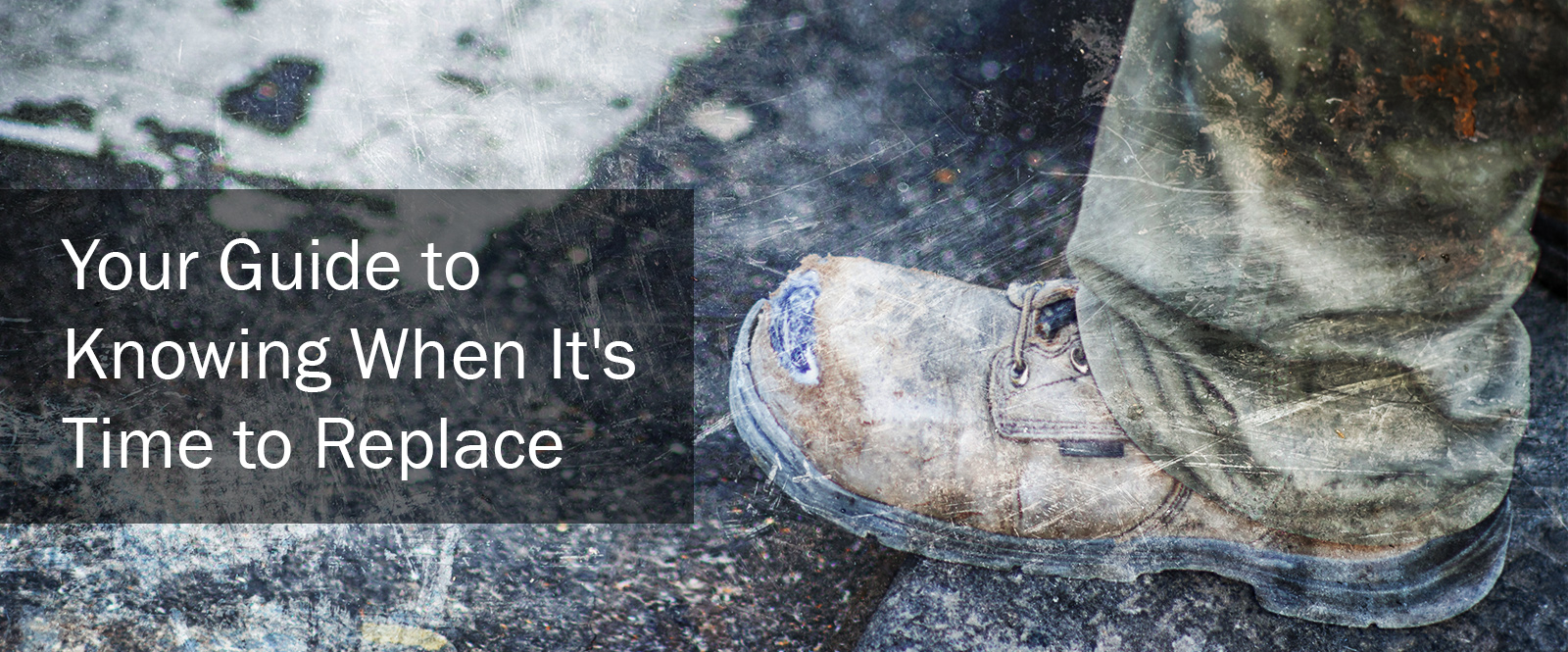
A good pair of safety boots can last anywhere from six months to a few years, depending on the conditions and how often they're worn. Time to replace them when you notice:
- Worn or damaged soles
- Reduced grip
- Split uppers or damaged toe caps
- Broken eyelets or laces affecting fit
- Water ingress
Safety Gloves
Disposable gloves are single-use full stop. For reusable gloves, keep an eye out for:
- Tears or punctures
- Loss of grip
- Chemical contamination
- Stiffness or cracking
- Heavy wear on fingertips or palms
Matching the right glove to the job not only keeps workers safer but makes them last longer too.
Rather than fixed time periods, UK guidance pushes toward inspection-based replacement, meaning you replace when the glove fails a check, not when a calendar date passes. That said, some practical estimates still hold:
Chemical/rubber gloves: 3-6 months
Electrical insulating gloves: Every 6 months regardless of appearance, (as per BS EN 60903).
Cut-resistant gloves (BS EN 388): 3-12 months depending on use
Leather/welding gloves: 6-12 months with regular use, longer if only occasional.
IMPORTANT! You must carefully examine and strictly follow the glove manufacturers instructions.
High-Visibility Clothing
Hi-vis only works if it's actually visible. Replace garments when:
- Colours have faded
- Reflective strips are peeling or damaged
- The fabric is torn
- The fit is no longer right
Washing can reduce effectiveness over time, so follow the care instructions closely.
Eye Protection
Safety glasses and goggles need to give you a clear view to do their job properly. Replace them if lenses are scratched, cracked, cloudy, or no longer fitting securely. Compromised eyewear means compromised protection.
Respiratory Protection
Disposable respirators should be discarded after use-or sooner if breathing becomes harder. Reusable respirators need regular filter changes in line with manufacturer guidance, and the face seal should be inspected consistently to make sure it's still doing its job.
What Affects How Long PPE Lasts?
Quite a few things, including:
- How often it's used
- UV and sunlight exposure
- Contact with chemicals
- Moisture and humidity
- Extreme temperatures
- How it's stored, cleaned, and maintained
Kit that's stored properly in a clean, dry space will always outlast equipment that's left to fend for itself.
Why Regular Inspections Matter
Workers should check their PPE before every shift. Employers should back this up with regular, documented inspections as part of their broader health and safety procedures. Staying on top of replacements keeps you compliant, reduces injury risk, and means your team can get on with the job knowing they're properly protected.
Don't Wait Until It Fails
Replacing PPE before it gives out is a modest cost compared to what workplace accidents, lost productivity, or regulatory action can bring. If you're not sure whether your current kit is still fit for purpose, the team at PK Safety UK are happy to help.
Get in Touch