


 Log in to your portal
A Practical Guide to Eyewear PPE in the UK
Eye injuries can happen in seconds but have lifelong consequences. In UK workplaces, employers are required to provide suitable eye protection based on risk assessments under the Personal Protective Equipment Regulations 2018.
Not all eye protection is equal. Different hazards require different types of protection.
This guide breaks down the main types of eyewear PPE and the British/European standards that apply to each.
The Core Standard: BS EN 166
At the heart of all eyewear PPE is BS EN 166 – Personal Eye Protection.
This is the baseline standard that all safety eyewear must meet. It covers:
- Optical clarity
- Impact resistance
- Durability
- General construction requirements
Additional markings within EN 166 indicate specific protection levels:
- F / B / A – Low, medium, and high impact resistance
- S – Increased robustness
- Optical Class 1–3 – Suitability for continuous wear
Think of EN 166 as the foundation, with other standards adding specialised protection.
Types of Eyewear PPE (and Their Standards)
1. Safety Glasses (Spectacles)What they are: |
|
| Best for: | Standard: |
|
|
| Limitations: | |
| They don’t seal around the eyes, so they offer limited protection against dust, splash, heavy impact. | |
2. Safety GogglesWhat they are: |
|
| Best for: | Standard: |
|
|
| Key protection codes: | |
|
|
| Goggles provide a secure seal around the eyes, making them ideal for higher-risk environments. | |
3. Face Shields and VisorsWhat they are: |
|
| Best for: | Standard: |
|
|
| Additional markings: | |
|
|
| Important note: Often used alongside safety glasses or goggles, not as a replacement. | |
4. UV Protection EyewearWhat it is: |
|
| Best for: | Standard: |
|
|
| This standard ensures lenses provide adequate UV filtration and safe light transmission. | |
5. Sun Glare Protection (Tinted Safety Eyewear)What it is: |
|
| Best for: | Standard: |
|
|
| These lenses help improve visibility and reduce eye strain in bright conditions. | |
Compliance in the UK
To be legally compliant, eyewear PPE must:
- Meet relevant BS EN standards
- Carry CE or UKCA marking
- Be selected based on a suitable risk assessment
Employers must also ensure PPE is:
- Properly maintained
- Correctly fitted
- Used as intended
Upcoming Changes: EN ISO 16321
The standards landscape is evolving. A newer standard, EN ISO 16321 is gradually replacing: EN 166, EN 170, EN 171, and EN 172.
This aims to simplify and modernise eye protection requirements. During the transition, you may see both old and new standards in use.
Choosing the right eyewear PPE isn’t just about ticking a box—it’s about matching protection to risk.
Quick recap:
- EN 166 = Core standard for all eyewear
- EN 170 / 171 / 172 = Protection from UV, IR, and glare
- EN 169 = Welding protection
- Markings (F, B, A, 3, 4, 5, etc.) = Specific hazard protection
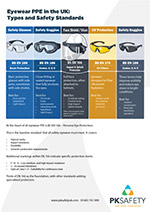
Thanks for reading, understanding these basics ensures better decisions, safer workplaces, and full UK compliance. Click here to download your free A4 printable colour guide.
|
Len Bridgeman 30th March 2026
